What does it mean to be someone after God’s own heart? I would like to pursue that question. Why?
If my heart is the centre of my being, then all I need to do is to align it with God so that my heart might resemble his. Simple in theory but difficult in practice.
When I think of the Psalms, my first thought is David the shepherd boy and the way God introduced him to Samuel as “someone after God’s own heart” (1 Samuel 13:14). God’s view of David was quite different from that of David’s own family. David tended sheep in the fields, was the youngest of his brothers and was overlooked by his own father, Jesse, when Samuel came visiting to anoint the next king of Israel.
Looking back on David’s life, Gary Thomas observes, “he was a true Renaissance man thousands of years before European culture invented one! He was a military general, a political ruler, a composer, a religious leader, a musician and a poet.”
Imagine Napoleon, Abraham Lincoln, Beethoven, Tim Keller, Matt Redman, and William Shakespeare all rolled into one, and you would have King David!
Woven together with David’s accolades were some colossal failures. He had an adulterous relationship with Bathsheba, had her husband Uriah murdered and then ordered the cover up of the murder. He had a very dysfunctional family. Absalom, his own son, grabbed the throne from him, forcing David to flee for his life. David’s giftedness and great achievements were accompanied by equally tremendous errors in judgement.
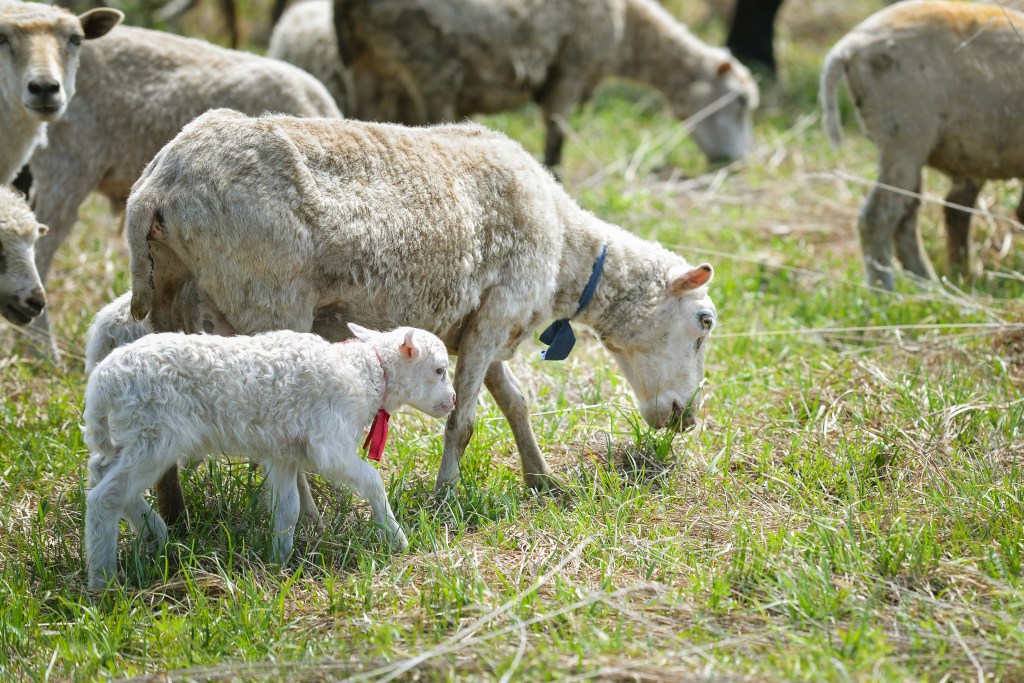
Perhaps David is not so different from us. He has highs and lows, celebrations and disappointments, declarations of confidence and feelings of abandonment, victories over the nation’s enemies and yet a fugitive from his son. David’s life had the full range of emotions and experiences. Despite David’s lofty achievements, he is someone that we can relate to. We are all sheep in God’s pasture.
If this is the case, then the book of Psalms is like opening David’s diary and getting a close up look at his heart – both the pain and the joy – and how he lived through those experiences.
What is the Heart?
It is from the heart that David wrote, sang and danced. How do we describe this invisible part of our being called the heart? One description of the heart is, “the fountain of thoughts, passions, desires, affections, appetites, purposes, endeavors.” Another way of understanding the heart is in the phrases we use to describe the heart’s full range of emotions:
Heart warming to heart wrenching
Heartfelt to heartless
Full of heart to faint hearted
Joyful heart to heartsick
Stole my heart to broken hearted
Pouring out your heart to losing heart
Soften your heart to harden your heart
And we use heart in other descriptive ways such as:
Home is where the heart is
Wearing their heart on their sleeve
My heart sank into my boots
Eat your heart out
Follow your heart
Be still my beating heart
Two more descriptions that are close to my heart (pun intended) are the way my wife describes me, “the way to a man’s heart is through his stomach”, and the way I describe her, “cold hands, warm heart.”
Heart Guard
The heart is the centre of our being – a collection of emotions, strength, decisions, desires, motives and loves. What we do and what we say is not always what we think (head) but what we love (heart). Words, decisions and actions flow from our heart. Solomon recognized the centrality of our heart when he advised,
“Guard your heart above all else, for it determines the course of your life”
(Proverbs 4:23 NLT)
Solomon admonishes us to be intentional in protecting our heart because the heart directs our lives. With our guard down, our hearts will be vulnerable and can be overcome by outside forces. Keeping our guard up, we can repel outside forces and radiate a positive influence outward. We can guard our hearts and have outflow, or we can neglect our hearts and have them infiltrated – two heart postures.
Heart Flow
Speaking about the heart, Jesus said, “what you say flows from what is in your heart” (Luke 6:45 NLT). The Psalms is David and other song writers allowing their hearts to flow freely, and we are the beneficiaries. This collection of songs and poems gives us expression for, “praise, thanks, confession, lament, and confidence, as well as encouraging obedience and faith.”
Up Next
Who wrote the Psalms? When were they written? What was their inspiration?
Your Turn
What heart phrase or heart description resonates with you and why?
Gary Thomas, Sacred Pathways – Nine Ways to Connect with God (Grand Rapids: Zondervan, 1996) p22
A Renaissance Man was a well-rounded individual, gifted and skilled in many different areas. Leonardo da Vinci, whom many consider to be the ideal model of the Renaissance Man, was known to have been a brilliant scientist, inventor, painter, and musician.
“What we do and what we say is not always what we think (head) but what we love (heart).” I love philosophy and reasoning but I’ve learned through the years we’re not as rational of beings as we might think we are. I’m grateful the Psalms expresses the full range of emotion, that there’s no feeling or heart-state that the Bible doesn’t address. Thanks Henry for your work on this.
Your comments, Henry, have provoked a further thought…. We tend to think of Heart Attacks as physical impediments or disruptions to the the heart’s normal life giving attributes. But could a Heart Attack also be anything that challenges our core beliefs, practices, and passions?
Another thought on the heart attack theme, I heard this line today in a U2 song, “And a heart that is broken is a heart that is open,” from Cedarwood Road on the Songs of Innocence album.
This is so good Henry. Thank for you putting the time into getting this down on paper…..well, virtual paper. This is thought provoking and helpful. I’m excited to continue following you on this journey.





“What we do and what we say is not always what we think (head) but what we love (heart).” I love philosophy and reasoning but I’ve learned through the years we’re not as rational of beings as we might think we are. I’m grateful the Psalms expresses the full range of emotion, that there’s no feeling or heart-state that the Bible doesn’t address. Thanks Henry for your work on this.
LikeLike
Your comments, Henry, have provoked a further thought…. We tend to think of Heart Attacks as physical impediments or disruptions to the the heart’s normal life giving attributes. But could a Heart Attack also be anything that challenges our core beliefs, practices, and passions?
LikeLike
Thanks Sam for that insight. Perhaps another way of phrasing heart attack is arresting the heart.
LikeLike
Another thought on the heart attack theme, I heard this line today in a U2 song, “And a heart that is broken is a heart that is open,” from Cedarwood Road on the Songs of Innocence album.
LikeLike
This is so good Henry. Thank for you putting the time into getting this down on paper…..well, virtual paper. This is thought provoking and helpful. I’m excited to continue following you on this journey.
LikeLike