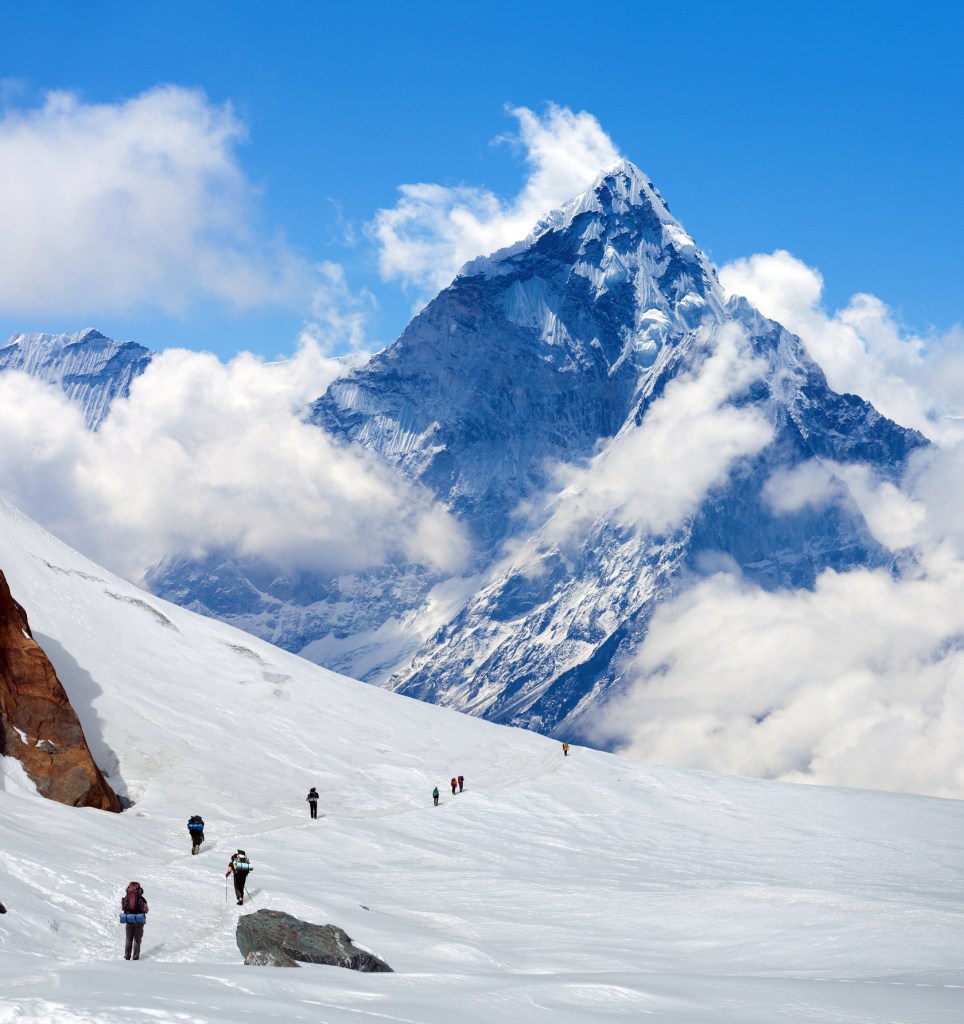
What comes to mind when you think of mountains? Do you think of grandiosity, adventure, beauty, wonder, danger, or sanctuary? What does a mountain represent to you? Perhaps it represents resilience, stability and immovability, or a mammoth obstacle, a journey or challenge to overcome, or a dream to achieve?
(Reading time 10 min.)
Mountain metaphors are used for a variety of life experiences. “Life is a mountain, not a beach,” describes life’s challenges. “Reaching their own personal Everest,” describes people fulfilling their dreams or having an ultimate experience. Whatever the metaphor, emotion, or symbol that comes to mind, mountains have an aura about them.
What do mountains have to do with the Ark of the Covenant?
Starting with Moses and the Israelites on Mount Sinai, the Ark went on a 400-year journey and eventually arrived on Mount Zion in Jerusalem courtesy of King David. How do we and biblical authors perceive mountain metaphors?
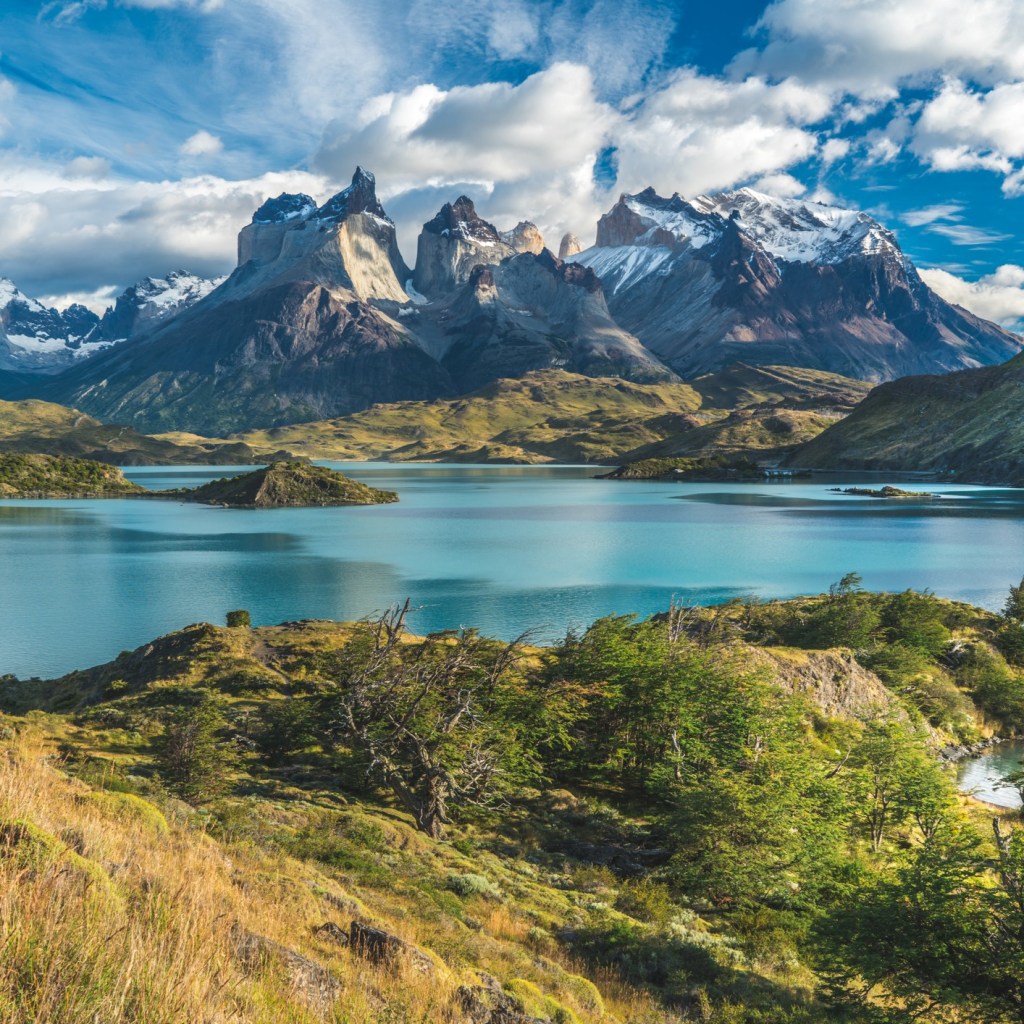
In North American culture, we go to mountains to get away from the daily grind, to clear our minds and refresh ourselves with mountain air, mountain streams and amazing views. A mountain is best experienced in person. No pictures, videos or even IMAX 3D experiences could ever replace the wonder and awe of standing at the foot or at the peak of a mountain. I had this opportunity while visiting the Rocky Mountains in Alberta, Canada. It was simply breathtaking.
Alien Places
Mountaintops, by nature, are inaccessible. Above 3,000 metres (10,000 feet), the elevation changes how the body feels. It takes time to adapt to high elevation. There is less oxygen, it’s drier and there’s no water. It feels more and more alien. It’s not a habitable domain. It’s a precarious place. People are visitors there.
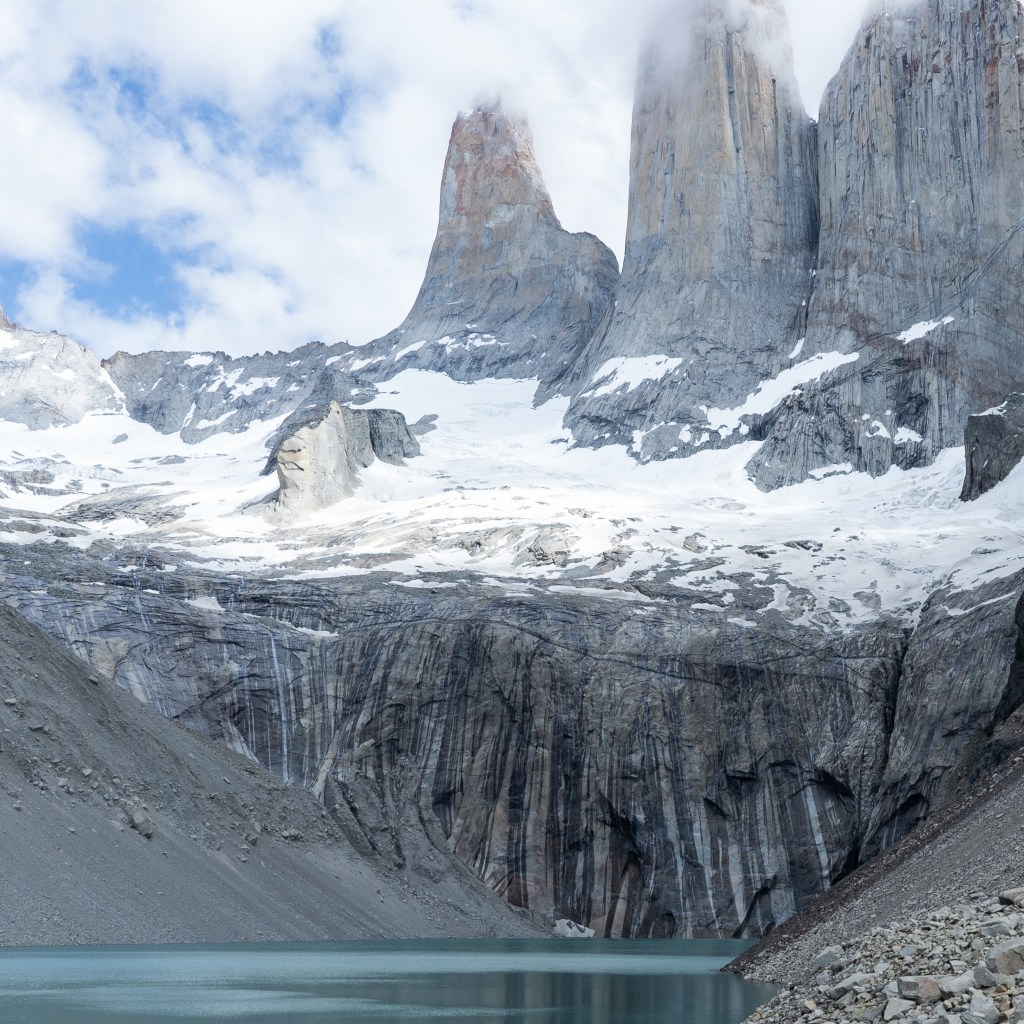
The closeness to the sky, that dangerous, not-quite-my-space kind of feeling, is important in the storyline of the Bible, and to what mountains mean in the Bible. Mountains become places where the boundary or gap between Heaven and Earth becomes very thin like the oxygen at the top of mountains. God’s realm and the human realm overlap on top of the highest mountains.1
Starting Peak
On Mount Sinai, Moses received specific instructions for the design and construction of the tabernacle, the Ark and the tabernacle furnishings. Moses’ encounter with God on Mount Sinai ushered in a new era of God’s relationship with the Israelites. Instead of having to ascend the mountain to meet with God, God’s presence came down the mountain to dwell with the Ark in the Tabernacle. The Ark and the Tabernacle moved around with the nation of Israel becoming a mobile mountain or meeting place. It became God’s hotspot among the Israelites!
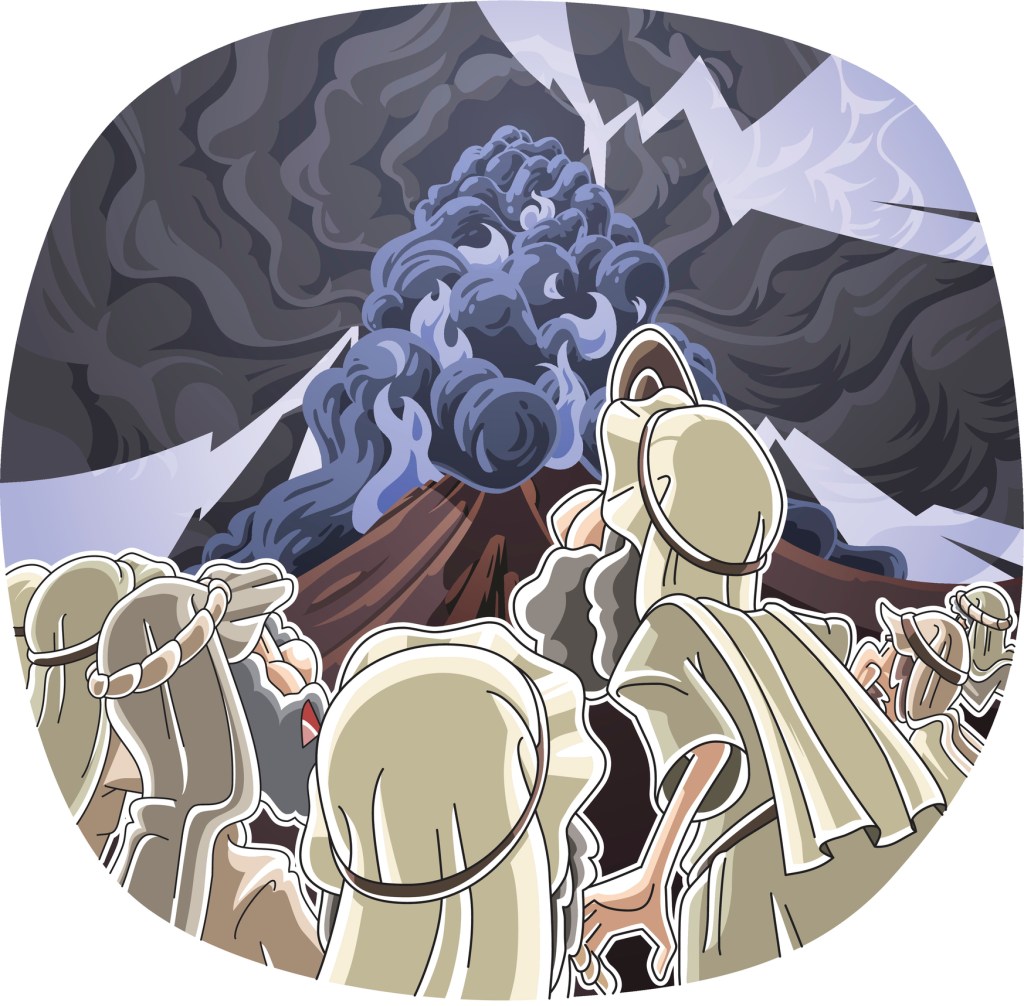
But the Israelites were not ready for this close proximity to God. Hebrews 12:18-21 describes the experience of God showing up at Mount Sinai in flaming fire, darkness, gloom, and whirlwind. They heard an awesome trumpet blast and a voice so terrible that they begged God to stop speaking. Moses himself was so frightened at the sight that he said, “I am terrified and trembling.”
With the Ark of the Covenant, God was taking a step towards restoring the relationship with humans like Adam and Eve experienced. What the Israelites saw was a powerful, yet alien God, much like the high, uninhabitable places on the mountain top. Unlike Adam and Eve who walked in the Garden of Eden with God, the Israelites recoiled in fear.
Finishing Peak
Fast forward 400 years when David was dancing like nobody was watching and personally escorted the Ark of the Covenant to its new home on another mountain, Mount Zion. David had an awe and respect for the Ark after his experience three months prior with Uzzah’s death in the first attempt to move the Ark (see Death and Dancing post). But instead of turning away in fear, King David became angry with God, did his homework on the correct way to transport he Ark and completed a successful second attempt. In contrast to the Israelites at Mount Sinai, who were terrified and trembling, David was awed by this God of mystery and wonder, he engaged with him, and he was open to the life of God flowing around him and through him.
Two mountains – two responses. What happened between the commissioning of the Ark and the establishment of its permanent place of residence?
Between Peaks
The Israelites did not know how to relate to a holy God. Their relationship with the Ark ran the whole gamut of experience beginning with fear at Mount Sinai, to fascination during the conquest of Canaan, to overfamiliarity with Eli’s sons at Shiloh who tried to harness the Ark’s power, to being forgotten at the house of Abinadab, and finally sought out and brought to Jerusalem in a grand parade by King David.
The cycle from fear to fascination, from overfamiliarity to forgotten, and from found to focal point, characterizes the Ark’s journey from Mount Sinai to Mount Zion.
This cycle or mountain to mountain journey played out multiple times after King David brought the Ark to Jerusalem and King Solomon built the glorious temple to house it. Over the next 500 years, King David’s descendants fell into idolatry, worshipped their neighbours’ gods only for God to reach out and call them back to himself through the prophets. Subsequent kings were even more evil in their idolatry practices than their parents. The Ark was not only forgotten, it was no longer in the temple. At one point King Josiah discovered the book of the law and ordered the Ark to be put back in the temple (2 Chron. 35:3).
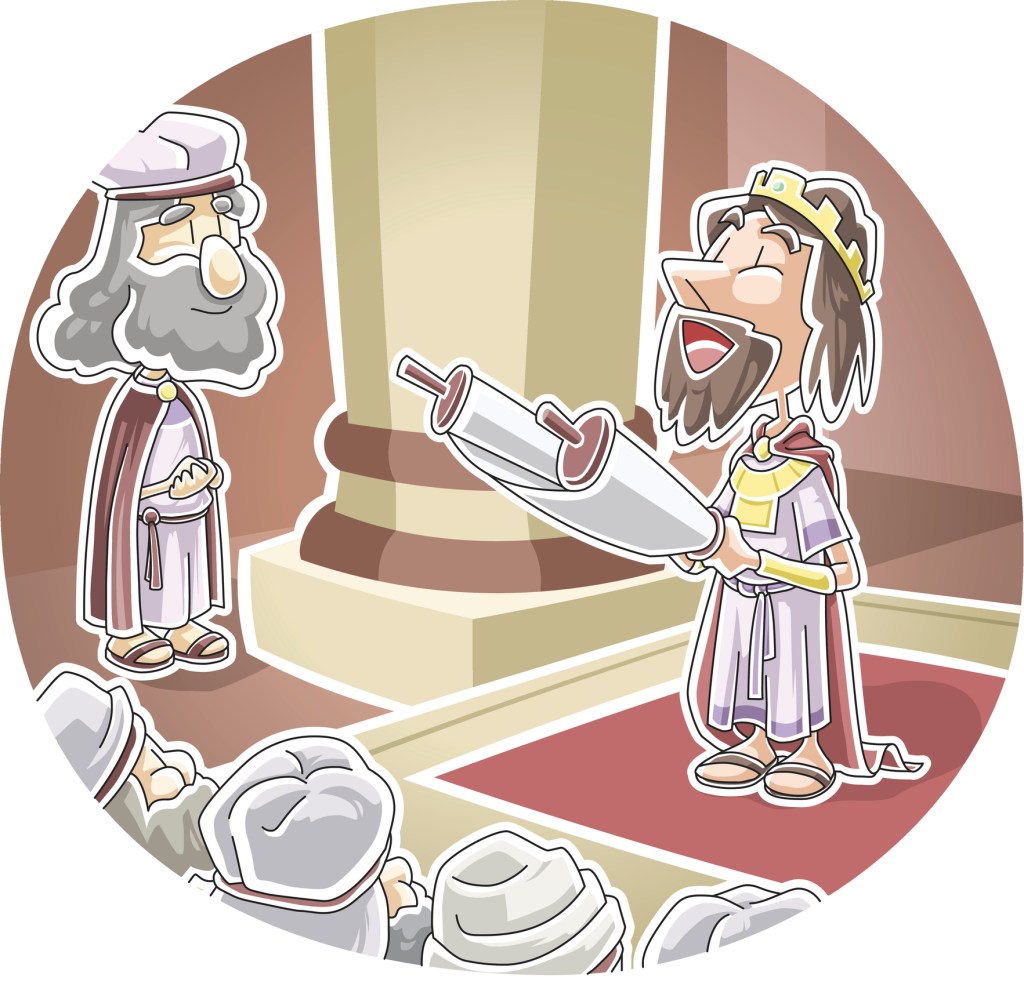
The cycle repeated until the Babylonians invaded Jerusalem and destroyed the temple. After this there was no more mention of the Ark of the Covenant. God allowed his people to chase after their neighbours’ gods, and consequently the Ark of the Covenant, the symbol of God’s presence, had vanished permanently. It was not forgotten or stored away somewhere. It was gone never to be found again.
What Now?
How would the Israelites draw close to God’s presence now? How could they relate to, in Frederick Beuchner’s words, “the one who had made himself known at most partially and dimly through the pantomime of nature and history and the eloquent but always garbled assurance of prophets?”2
It took another 600 years to see God’s next move. This time he didn’t enfold himself in fire and smoke on the mountain top or take up residence in a gold covered box. In the words of Ann Voskamp,
“He shattered the space between Heaven and Earth and came naked and breakable in a creche.”3
The God who held galaxies in his hand, who could not be contained by the heavens now lay in a barn feeding trough. Who knew? No fanfare announcing his arrival. No grand parade. A bright star to guide a few foreign astronomers, and a gleaming angel choir to rouse some sleepy shepherds. That was the extent of the procession.
Emmanuel – God with us.
The presence of God – not in a gold covered box but a different kind of wooden ark. God couldn’t get any closer now. He kept coming for his people. By the time he finished writing this chapter of the love story, they wouldn’t merely know him; they would be related to him by blood.4 Blood that flowed from his broken body on another hill outside of Jerusalem’s walls on Mount Zion – Golgotha, which means the place of the skull.
Between Mount Zion and Mount Zion
The author of Hebrews contrasted Mount Sinai and Mount Zion in the following way, “You have not come to a physical mountain, to a place of flaming fire, darkness, gloom, and whirlwind, as the Israelites did at Mount Sinai (v18).” The author then points the readers to Mount Zion, not the Mount Zion of Kind David’s times, but a heavenly Mount Zion and a new Jerusalem on a new earth. “You have come to Mount Zion, to the city of the living God, the heavenly Jerusalem, and to countless thousands of angels in a joyful gathering. You have come to the assembly of God’s firstborn children. You have come to God himself. You have come to Jesus, the one who mediates the New Covenant between God and people, and to the sprinkled blood, which speaks of forgiveness (v22-24).”
By contrasting Mount Sinai to Mount Zion, the author of Hebrews is saying that, “the people of God identify not with the mountain where God gave the law, but with the mountain where God fulfilled the law.5 Through the Ark of the Covenant, the Israelites had the Old Covenant represented by the stone tablets of the law, they had a mobile hotspot, the place of God’s presence, the place where Heaven and Earth met like the thin places on mountain tops.
When Jesus came, he was a mobile hotspot like the Ark. He was God’s very presence moving among the people. Through Jesus, God established a new covenant with all people. The symbolism and foreshadowing of the Ark came alive in Jesus.
Just as the Israelites in the time of the Ark of the Covenant lived between two mountains, Mount Sinai and Mount Zion, so we now live between two mountains, Golgotha, on present day Mount Zion where God’s grace was dispensed through Jesus’ blood, and the heavenly Mount Zion where we will sit with Jesus at the marriage supper of the Lamb. We haven’t yet realized the glories of the heavenly Mount Zion. We live in what theologians call the ‘already-but-not-yet.’ Christ has already established his kingdom and the New Covenant. Yet the cosmos still awaits the fullness of that day to experience the heavenly Jerusalem.6
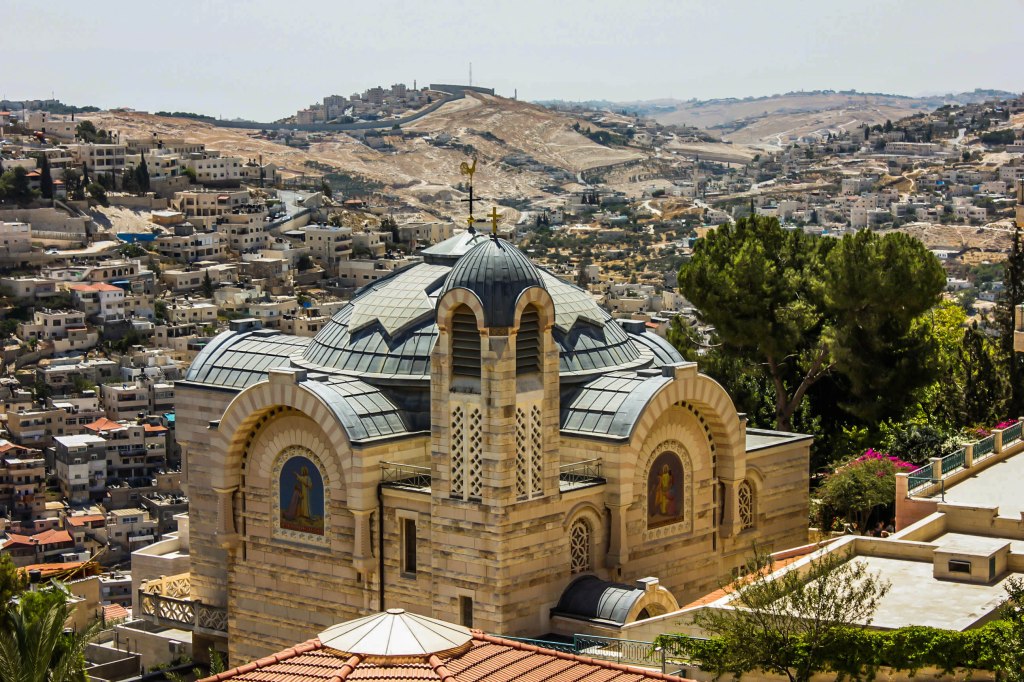
How did the Israelites live ‘in between’ the mountains? How did they respond to God’s presence among them? Fear. Fascination. Overfamiliarity. Forgetfulness. Finally, they made God’s presence the focal point of their worship.
How do we live in the already-but-not-yet?
I like Ann Voskamp’s perspective in The Greatest Gift, “When you have a visitation from a holy God who breathes out stars beyond our galaxy and is white flame purity, holy awe is apt. Walk barefoot a bit. We are sinners before a holy God. But the holy God who comes is your saving God, your rescuing God … the glory who always splits the blackness and unleashes captives. You are unconditionally accepted and unbelievably wanted because you don’t merely know of him; you are related to him by blood.”7
The Ark’s journey showed God coming to us from the alien, high places. But he is not a tame God. We cannot harness him for our own purposes. He seems alien because we have distanced ourselves from him. We can hide but he keeps reaching out because he wants to have relationship with his creation. If we respond in holy awe, King David described what to expect, “You will show me the way of life, granting me the joy of your presence and the pleasures of living with you forever” (Psalm 16:11, NLT).
Up Next
Psalm 24 opens by describing, in a peculiar way, the God whose presence is with the Ark as the procession.
Notes:
- Bible Project Podcast – The Mountain, Episode 1, October 28 – What Do Mountains Represent in the Bible? https://bibleproject.com/podcast/what-do-mountains-represent-bible
- Listening to Your Life: Daily Meditations with Frederick Beuchner (San Fransisco: Harper, 1992) 340.
- Ann Voskamp, The Greatest Gift: Unwrapping the Full Love Story of Christmas (Carol Stream, Tyndale House, 2013) 190.
- Ann Voskamp, 211.
- R. Albert Mohler Jr., NIV Grace and Truth Study Bible (Grand Rapids , Zondervan, 2021).
- R. Albert Mohler Jr.
- Ann Voskamp, 211.
 Head and Heart Collide