The Cheap Hotel, Wedding Crashers and Governor Gumpas
What comes to mind when someone mentions hell? Do you picture a hot, underground torture chamber locked from the outside? Or do you imagine an eternal party where people and their closest friends indulge in anything they want without limit or guilt? Depending on your background, the image of hell in your mind will probably fall somewhere along this spectrum.
(11 min. reading time)
Since hell is not an amusing topic, I thought I would start with an “engineer in hell” joke.
An engineer dies and reports to the pearly gates. St. Peter checks his dossier and says “Ah, you’re an engineer… you’re in the wrong place.” The engineer reports to the gates of hell and is let in. Pretty soon the engineer becomes dissatisfied with the level of comfort in hell, so he begins designing and building improvements. After a short while all of hell has air conditioning, flushing toilets, and escalators. And the engineer has become a pretty popular guy in hell.
A couple of months later God calls Satan on the phone and says with a sneer: “So, how’s it going down in hell?” Satan replies, “Hey, things are going great. We now have air conditioning, flushing toilets, and escalators. Why, there’s no telling what my engineer will come up with next.” God replies “What? You’ve got an engineer? That’s a mistake, he never should have gotten down there … send him back immediately.” Satan says “No way. It’s nice having an engineer on my staff. I’m keeping him.” God screams back, “Send him back up here or I’ll sue!” Satan laughs uproariously and answers: “Yeah, right. And just where are you going to find a lawyer?” 1
Besides all the improvements that the engineer makes to hell, what strikes me about this story is how well it captures the caricature of hell held by many people. To learn about hell, let’s listen to Jesus who taught frequently about this subject. We learn more about hell from Jesus than any other person in the Bible.
“Jesus consistently contrasted hell with the kingdom of God. Hell is the only alternative to an eternity spent in God’s kingdom. It is the opposite of perfect fellowship with God forever.” 2
The Cheap Hotel
When Jesus spoke about hell, he used the word ‘Gehenna.’ What is Gehenna? The better question would be, where is Gehenna? Gehenna is an actual physical place located outside the walls of the city of Jerusalem which was referred to as the Valley of Hinnom in the Old Testament. This is a specific geographical location that could be searched and found on Google Maps. Why did Jesus choose this location as his primary image for hell? In his book, The Skeletons in Gods Closet, Joshua Ryan Butler outlines two associations of the Valley of Hinnom with hell that Jesus’ contemporaries would identify with – idolatry and injustice. 3
The Old Testament prophets denounced the Valley of Hinnom because it was the place where Israel historically defiled herself with other gods through participating in the practices of her idol worshipping neighbours (2 Chronicles 28:1-4; 2 Chronicles 33:3-9; Jeremiah 43:32-25). “The Valley of Hinnom was the cheap hotel outside the city where Israel cheated on God with other lovers.” 4
The most brutal and detestable thing that Israel did in her idol worship was the practice of child sacrifice. Not only was Israel committing adultery with other gods, but she was also killing the children given to her by her husband, God. The injustice of killing the children from her own husband angered God greatly. The Valley of Hinnom became a marker of Israel’s infidelity towards God and her injustice to each other.
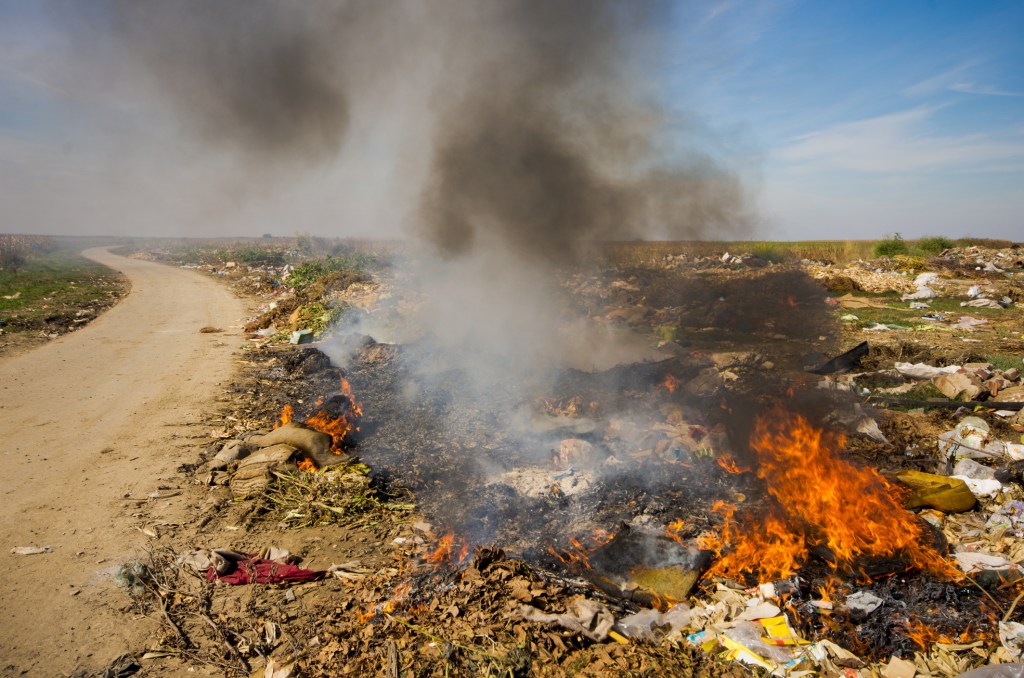
Notice that the Israelites themselves lit the fires in the Valley of Hinnom and offered their children as living sacrifices. God was not responsible for the flames in the valley. The Israelites created the abominations that took place in the valley.
“To blame God for the fires in the Valley of Hinnom would be like a cheating spouse blaming a faithful marriage partner for the pain of an affair she had herself pursued.” 5
Jerusalem, Israel’s capital city, was the centre of its national and cultural life. The name means the ‘shalom’ or the peace of God. Jerusalem represented the flourishing that would occur when God and his people were in the right relationship with each other. The Valley of Hinnom, with its idolatry and injustice, represented the rebellious and destructive nature of sin. In Jesus’ day, the Valley of Hinnom was Jerusalem’s city dump where garbage, dead animals, corpses of criminals, and all manner of uncleanness were constantly burned. 6 The image of the city of Jerusalem next to the Valley of Hinnom is like picturing the Garden of Eden next door to a dump.
Jesus used this image to show us why sin must be thrown out of the city. Because sin opposed shalom in the same way that Gehenna opposed Jerusalem. The rebellion that started outside of the city was not content to stay outside. Sin wanted to enter the holy city as well. “Those who murdered their children in the valley came back into the city to sleep. The affair that began at the cheap hotel soon wanted inside the husband’s house. The mistress soon wanted to lay claim to the marriage bed.” 7
The reason that sin was thrown out with the trash was because it stood in opposition to God’s good and redemptive purpose for the city. Asking God to redeem the city without casting out sin is like asking a doctor to heal your body without removing the disease. It is a contradiction.
“God excludes sin from his kingdom because of his goodness, not in opposition to it or in spite of it.” 8
The Wedding Crasher
Another of Jesus’ parables on the separation of the righteous and wicked is in the parable of the Wedding Feast (Matt. 22:1-14).
The king is throwing the party of the century to celebrate his son’s wedding. At the beginning of the parable the king sent out invitations to his closest friends. His friends ignored the invitations, treated the king’s messengers shamefully and even killed some of them. The king then sent an army to burn down the city. In the parable God is the king and the Israelites are the invited guests. The message is that God’s judgment began with his people. God sent prophets to invite the Israelites to his party. But the Israelites killed the prophets, and God brought judgment on Israel, sending the nation of Babylon to burn down the city and carry the people into exile.
The king still wanted his party! In the second part of the parable, he sent his servants into the streets with an open invitation to anyone they could find. The wedding hall is then filled with guests. As he strolled around the wedding hall, the king noticed a guest who is not dressed in appropriate wedding attire and confronted him.
“Friend” the king said to the guest, “how did you get in here without a wedding garment?” The wedding crasher was speechless. He did not apologize. He offered no answer. The king had the wedding crasher bound up and thrown in the darkness where there will be weeping and gnashing of teeth. That seems harsh for crashing a wedding without proper garments. What is the significance of the wedding garments? Refusing to wear the wedding garments the king provided was a gross insult. Imagine attending a royal wedding and seeing a guest in dirty shorts and a smelly, old T-shirt!
The wedding crasher’s clothes are like our dirty old rags of sin that need to be checked at the door. The dirty clothes are our attempt to enter the party based on our good works instead of God’s good grace. God has offered free wedding clothes. Jesus died and rose again to clothe us in his righteousness (Rev. 7:14). We need to take off the dirty old rags (repent from our sin) and turn to God to receive the wedding clothes (put on Jesus’ righteousness). It is God who makes us fit for his kingdom, not our good works, and we cannot bring our sin with us.
The wedding crasher did not take the wedding seriously and tried to bring his sin with him. He did not treat the wedding with the honour and respect it deserved. It was holy ground and sacred territory. Sin was not welcome.
“Our sin is like the wedding crasher with an agenda: it wants to tear God’s honeymoon suite apart and carry us back to the cheap hotel. God loves us too much to let that happen. So, God will not allow our sin to intrude upon the celebration day or the life that follows thereafter.” 9
Governor Gumpas
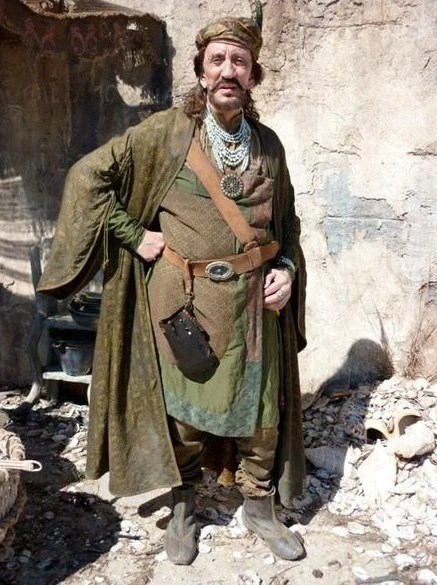
C.S. Lewis’ The Voyage of the Dawn Treader gives us another picture of the necessary separation of good and evil. King Caspian and his crew travelled to the Lone Islands only to find that the islands had been taken over by the corrupt Governor Gumpas who has exploited the island people through the slave trade. King Caspian and his crew entered the island covertly, rallied support from the local people who were fed up with Gumpas’ unjust rule, and Caspian re-established his kingdom and rule.
After confronting Gumpas, King Caspian forgave him the debt of tribute owed to Narnia, established a new ruler, eliminated the slave trade and gave Gumpas until noon the next day to leave. Gumpas attempted to negotiate some compromise, but King Caspian refused. Gumpas’ options were to repent and receive the new order of things or leave the city. Gumpas and his cohorts left the city of their own accord. Their selfish and cruel character stood opposed to the justice and righteousness that marked the life of the kingdom under King Caspian.
This storyline that we find in children’s fairy tales and blockbuster movies resonates with us. The return of the good, loving king to kick out the oppressive, enslaving powers that have hurt and destroyed the kingdom far too long, and to establish a rule that is good and right and true. We don’t want a king who is going to compromise with the old order but one who is going to remove it entirely from the city. The hope of the coming king goes hand in hand with the banishment of the evil that once enslaved the city.
Summary
Let’s return to the caricature of hell as a hot, underground torture chamber locked from the outside.
The Cheap Hotel shows us that sin which is opposed to God’s good and redemptive purposes for the city must be thrown out with the trash. It is because of God’s goodness that he keeps sin outside of his kingdom. The people and not God are responsible for the flames in the valley. We bring the heat!
The Wedding Crasher shows that God is throwing an amazing party and he invites anyone who will come. He provides the wedding garments that will make us clean and properly attired for the celebration. “Jesus is the gracious ruler who rejoices to wash us, clothe us, and make us fit for his just and righteous kingdom.” 10 We close the door from the inside when we reject the invitation to the greatest party ever!
King Caspian shows God as the merciful victor who desires to forgive us from our rebellion and even make us citizens of his kingdom when we leave our rebellious ways behind and embrace his good and righteous rule. God will not compromise with sin but will banish it outside of the kingdom. God’s primary motive is not to torture people but to protect the beautiful city he has created from the destructive power of sin.
People, not God, have created hell by choosing their kingdom over God’s kingdom. God desires everyone in his city. He invites everyone with open arms, but he will not force people against their will. Love will not coerce or impose itself upon another.
“Part of God’s love for you is his commitment to your freedom. It’s clear throughout scripture that he wants very much to enjoy you and for you to enjoy him.” 11 People are free to be their own god and build their own kingdom. They are free to live their life as they please, commit their heart, mind and souls to themselves, to say, “I am the captain of my soul” and to walk away from God’s authority. In choosing that independence from God, people are also choosing an eternity separate from God.
That is hell in a nutshell !
Up Next
Heaven! What does the alternative to hell look like?



 Head and Heart Collide