With rich agricultural metaphors, the psalmist shows where the path of godliness and the path of the wicked lead – the path of godliness to a vibrant fruit tree, and the path of the wicked to empty, dead grain shells. The contrast could not be starker. Life is at the heart of the comparison.
(8 mins. reading time)
3 They are like trees planted along the riverbank, bearing fruit each season. Their leaves never wither, and they prosper in all they do.
4 But not the wicked! They are like worthless chaff, scattered by the wind.
Growing Up Niagara
I grew up in an agriculturally fertile area known as the Niagara Peninsula that is surrounded by water on three sides – Lake Ontario to the north, Lake Erie to the south, and the Niagara River to the east. Fruit farming along Lake Ontario was and continues to be important economically and culturally. The grape and wine industry has grown dramatically over the past thirty years. The many European style wineries and vineyards attract tourists looking for a unique experience. Even hockey legend Wayne Gretzky has a winery and distillery in the area that boasts an ice rink in the winter.
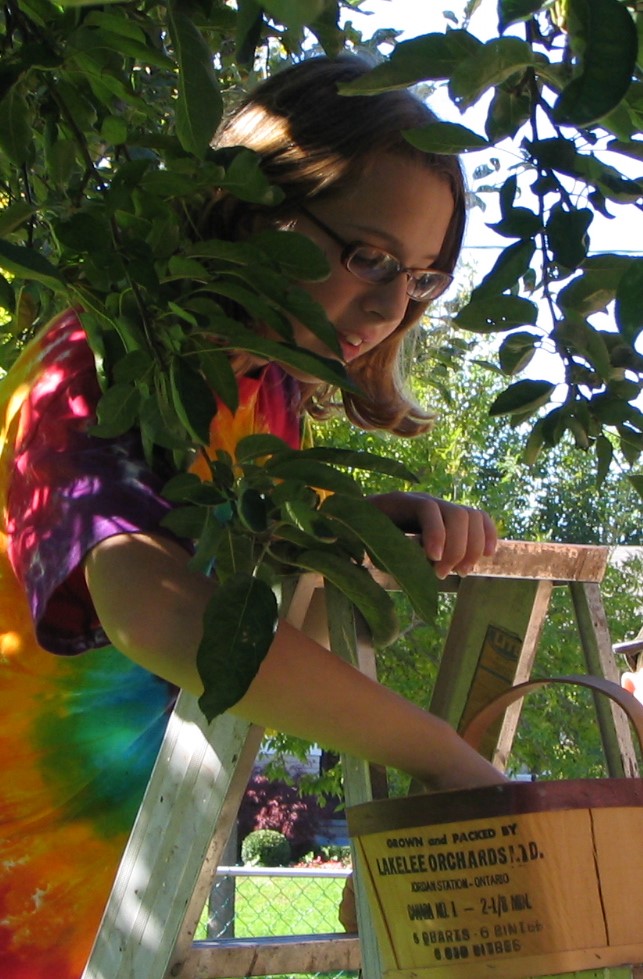
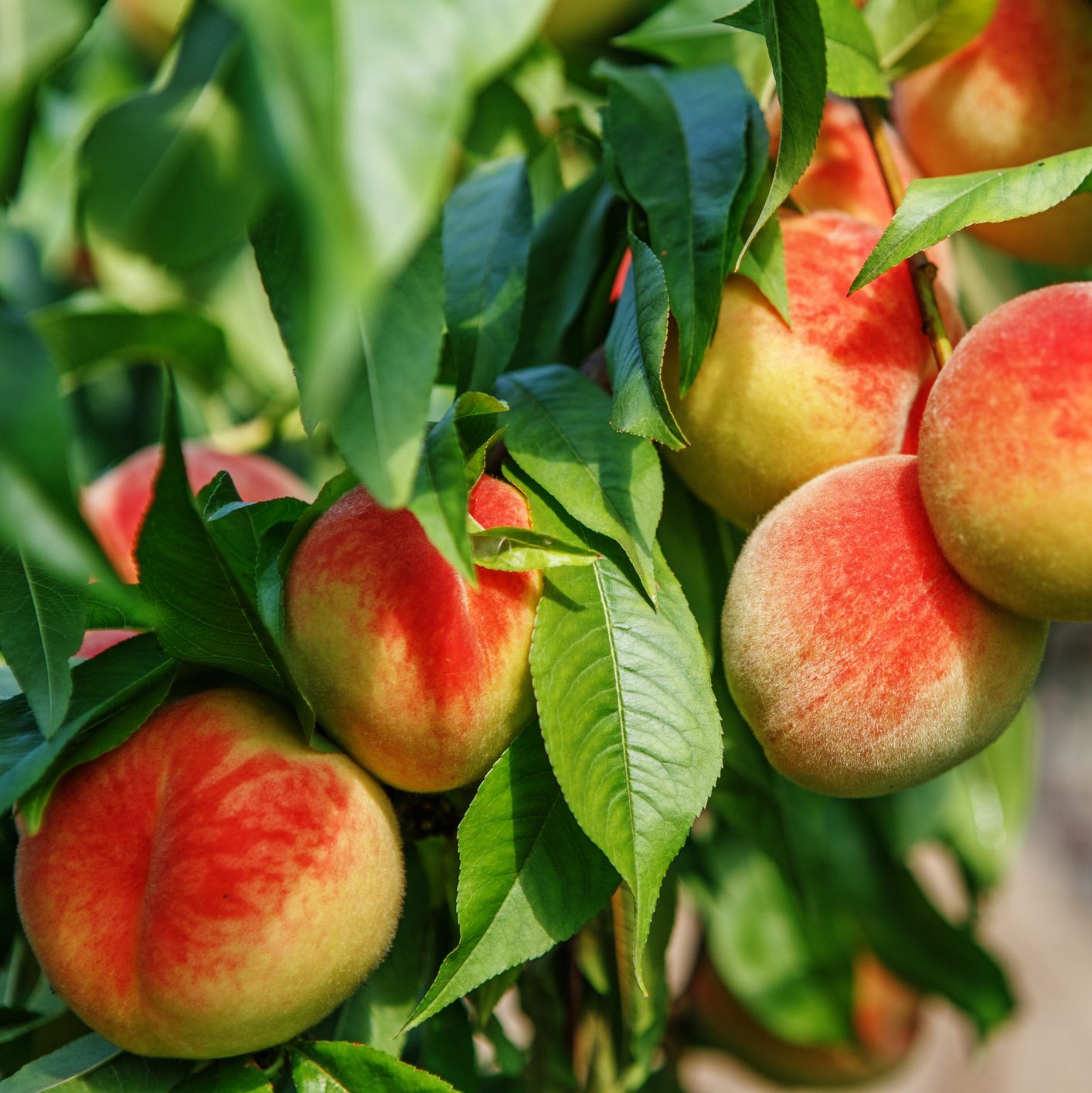
Many students and migrant workers have earned their summer income picking fruit in the Niagara area, beginning with strawberries in June, then cherries and peaches in July, and finally apples in August. Fresh fruit stands are in ample supply during the summer, especially on the country roads between St. Catharines and Niagara-on-the-Lake. The rich soil combined with a constant water supply and warm temperatures provides ideal conditions for growing fruit. The fertile Niagara orchards situated near an abundant water supply remind me of the Psalm 1 tree.
A Planted Tree
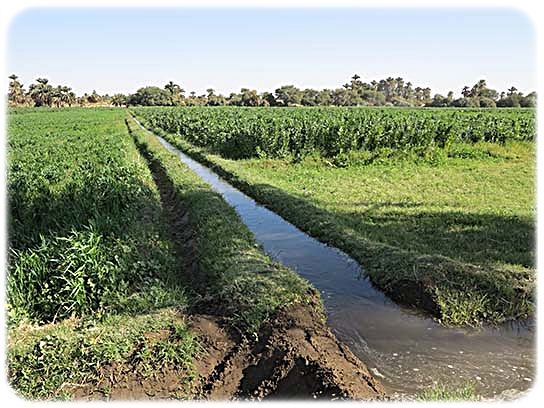
The Psalm 1 tree is planted where there is an irrigation system to provide a constant supply of water. Consider two things about the tree planted by water. First the tree is intentionally planted, and second is the foresight to plant the tree near its primary source of nourishment, being streams of water. This is not like a tree in the wild that is dependent on ebbs and flows of the weather.
The tree is purposefully planted close to a constant supply of water to successfully establish roots and eventually to bear fruit.
Like the fruit trees in Niagara, the Psalm 1 tree is intentionally planted in a location where it has the best opportunity to produce fruit.
In arid lands where there is a lack of rainfall, such as some areas in the middle east, trees were planted along streams or, alternatively, irrigation canals were constructed to provide the necessary source of water to enable trees to develop strong and deep roots. A fun fact that I learned as a drainage engineer is that the earliest dams constructed over 4,000 years ago by the Egyptians were irrigation dams.
By planting the tree next to streams of water the gardener demonstrates that he wants the tree to succeed – to be fruitful.
Photosynthesis
The tree provides fruit in season which speaks to the growth process over time. Verse 3 notes that the leaf does not wither. I found this to be a very curious reference until I considered learning about photosynthesis in my elementary school career. The University of California Fruit and Nut Research and Information Centre provides the following description of photosynthesis. In fruit trees, as in other plants, the leaves take the energy from sunlight to convert water and carbon dioxide molecules into glucose (sugar molecule) and oxygen. The oxygen is released, or “exhaled”, from leaves while the energy contained within glucose molecules is used throughout the plant for growth, flower formation, and fruit development. 1
Without water there are no roots. Without roots there are no leaves. Without leaves there is no fruit. Fruitfulness is a process. In our spiritual lives we sometimes look for fruit but neglect to put down the necessary roots near water to grow the leaves that will capture the sunlight and convert its energy into fruit. Fruitfulness is not random or instantaneous. It is intentional and incremental.
Prosperity
The Hebrew word used for prosperity is “salah” which means to have success, to thrive, to avail or prevail, make progress or achieve purpose. 2 In context with the rest of the verse, prosperity is the process of achieving fruitfulness. We tend to think of prosperity in terms of health, wealth, and happiness. We see the outcome or the fruit, but not the process or photosynthesis necessary to grow the fruit.
In reading through the psalms, we quickly realise that while King David had a successful or prosperous life, he also had his share of setbacks, discouragements, and disappointments.
“This promise of prosperity is not a pledge of good fortune in return for good behaviour—the Psalms know life too well for that! Instead of looking at prosperity as personal favour from God, consider the prosperity promised in verse 3 as, “a ‘creed’: this world is God’s world and those who side with him will surely and ultimately enjoy blessing.” 3
The prosperity promised is not for a pain free, problem free or disappointment free life. We still live in a broken, fallen world. It is a promise for fruitfulness when we plant ourselves next to the stream.
Babylon Blues
Exiled or ‘transplanted’ to Babylon, the Jewish people would be very familiar with the meaning of the phrase ‘a tree planted by streams of water’. The Babylonians, like the Egyptians centuries earlier, created irrigation channels to increase the fertility of their arid land. Transplanted to the banks of these irrigation channels, the Israelites thought they were in an awful place compared to their beloved homeland. They even composed a ‘Babylon Blues’ song recorded in the psalms.
Beside the rivers of Babylon, we sat and wept as we thought of Jerusalem. We put away our harps, hanging them on the branches of poplar trees. For our captors demanded a song from us. Our tormentors insisted on a joyful hymn: “Sing us one of those songs of Jerusalem!” But how can we sing the songs of the Lord while in a pagan land? (Psalm 137:1-4, NLT)
The exiled Israelites didn’t think they could ever sing the ‘songs of Jerusalem’ again.
Grow Where You’re Planted
“For I know the plans I have for you,” says the Lord. “They are plans for good and not for disaster, to give you a future and a hope” (Jeremiah 29:11, NLT). This verse is often quoted to encourage people who find themselves in difficult situations. In Jeremiah’s time, it was God speaking to the Israelites at the beginning of their Babylonian exile. If we back up a few verses, we see the context in which these words were given to the exiled Israelites.
“This is what the Lord of Heaven’s Armies, the God of Israel, says to all the captives he has exiled to Babylon from Jerusalem: ‘Build homes, and plan to stay. Plant gardens and eat the food they produce. Marry and have children. Then find spouses for them so that you may have many grandchildren. Multiply! Do not dwindle away!’” (Jer. 29:4-7)
While the exiles hoped that their stay in Babylon would be short lived, God was saying the opposite. God clearly stated that he had placed them in Babylon for a while. He encouraged them to settle down and become responsible citizens. They were the people of God transplanted in Babylon. They were to put down roots and be fruitful where they had been planted. What unusual advice.
We sometimes find ourselves in difficult situations where we feel there is nothing we can do to change things so we call out to God to rescue us. This is where the Israelites found themselves in Babylon. They were exiled from their homeland because of their rebellion to God, and God told them that they were going to be in Babylon for a while. This is not what the Israelites were hoping to hear. Instead of rescuing them, God encouraged them to make the best of their situation. Instead of singing the blues and wishing that they were back home again, God told them to put down roots and produce fruit.
.
Sometimes we use our situations or circumstances as excuses for not drawing close to God when God is trying to use these things to invite us to be with him. Transplanted to Babylon, the Israelites were told to put down roots, put out leaves, and produce fruit. Eugene Peterson connects our situations to meditation,
“We let our fantasies, or our circumstances distract us from attending to the word of God that is aimed right where we are. But by letting God’s word enter their lives again, there in exile, they immersed themselves in meditation. They were trees.” 4
This is not to say that all adverse situations or circumstances are invitations to put down roots and produce fruit. People finding themselves in situations involving addictions or abuse should seek help. Those are not the situations I am describing here.
Sometimes our adverse situations are God’s invitations to meet him right where we are – to put down roots and produce fruit – instead of looking for the nearest exit. We can immerse ourselves in God’s words and find that we are able sing the songs of the Lord exactly where he has transplanted us.
Summary
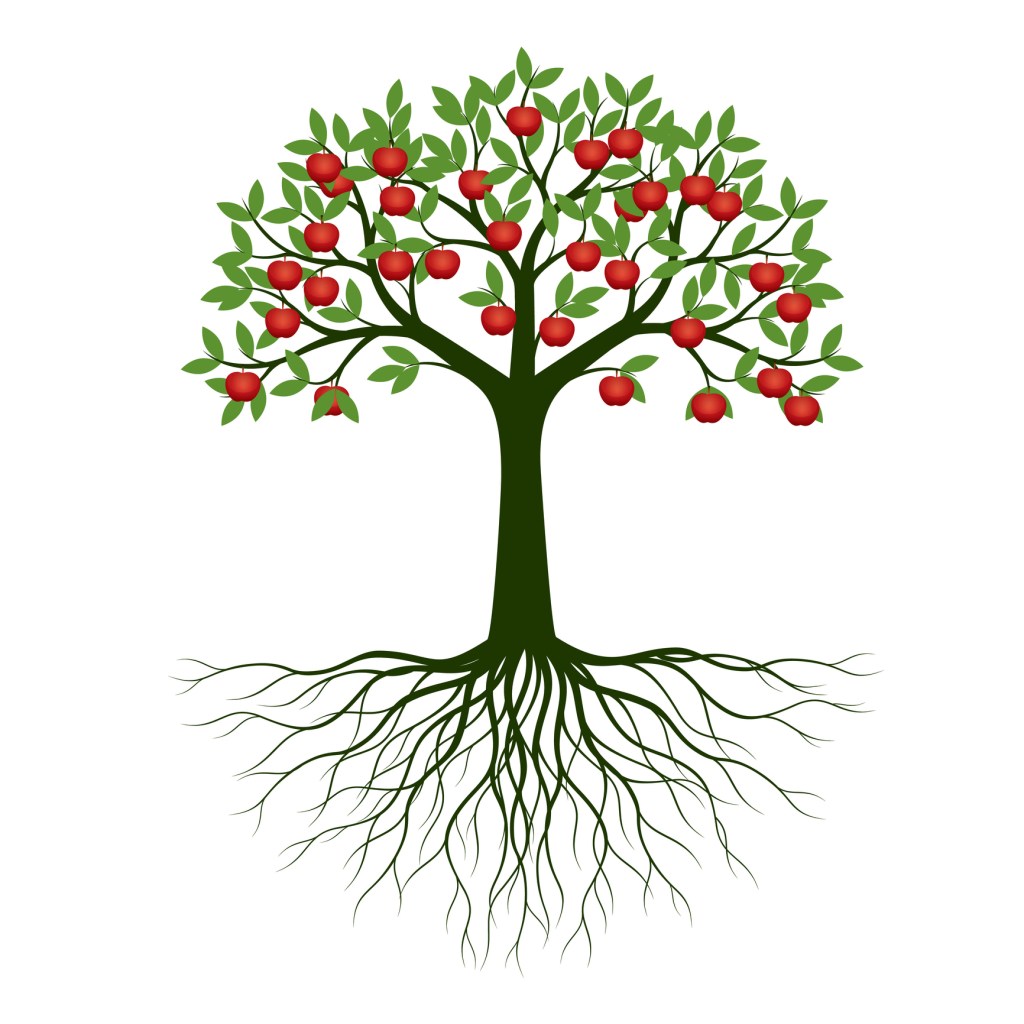
The psalmist uses agricultural metaphors to describe the pathways of the godly and ungodly. For the godly who meditate on God’s words, the path is like a well watered, vibrant tree, with a strong root system and produces fruit (life) and leaves (healing).
Up Next
Those who choose their own way, disconnected from God and his words, are like chaff – empty shells that blow away in the wind.


 Head and Heart Collide